Tejhaksh Technologies is the Website designing & Digital Marketing company based in Neemuch, established in 2020 providing Website design, Website development, Logo design, Domain Registration, Web hosting, Android App Development, eCommerce web development, Search Engine Optimization, Bulk SMS etc. We have good experience in developing different platform websites and we keep our eye on the latest technologies to implement on the website for better conversion and user experience.
The Metaverse Technology has quickly become one of the most talked-about concepts in the technology world. From global tech giants like Meta (Facebook), Microsoft, and Google to startups and digital marketers, everyone is racing to establish their presence in this so-called “virtual future.” Yet, a critical question remains unanswered: Is the Metaverse truly the next evolution of the internet, or is it largely a marketing hype fueled by big tech ambitions?
Let’s explore this topic in a clear, practical, and unbiased way to understand what the Metaverse really represents.
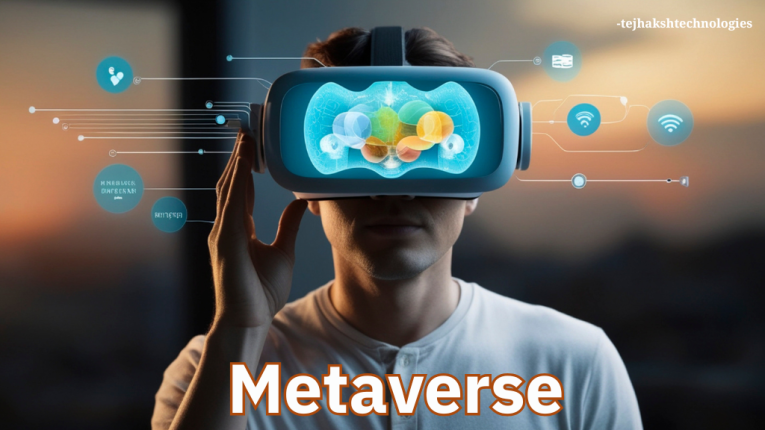
Metaverse technology refers to a shared, immersive digital environment where users interact with each other through digital avatars. It brings together advanced technologies such as Virtual Reality (VR), Augmented Reality (AR), Artificial Intelligence (AI), blockchain, and 3D virtual environments to create interconnected virtual spaces.
Within the Metaverse, users can work, play, shop, learn, and socialize in real time, experiencing a more interactive and engaging digital world that goes beyond traditional websites and apps.
The Metaverse entered the global spotlight after Facebook rebranded itself as Meta, signaling a major shift toward immersive digital experiences. Since then, it has been widely promoted as the next phase of the internet, often referred to as Web 3.0.
Several key factors have fueled this growing interest:
Together, these developments have positioned the Metaverse as a powerful and highly discussed innovation in the digital landscape.
Metaverse technology continues to be valuable for businesses because it opens new ways to engage customers, strengthen brand presence, and improve digital collaboration. It allows companies to present products and services through immersive virtual experiences, conduct more effective employee training, and collaborate in interactive digital workspaces.
By integrating advanced technologies such as Artificial Intelligence (AI), Augmented and Virtual Reality (AR/VR), and blockchain, the Metaverse supports innovation and unlocks new digital revenue opportunities. More importantly, it helps businesses remain competitive, future-ready, and adaptable in an increasingly digital and experience-driven marketplace.
The concept of the Metaverse was first introduced in 1992 by author Neal Stephenson in his science-fiction novel Snow Crash, where he envisioned a shared virtual world accessed through digital avatars. This idea began taking shape in the early 2000s with platforms like Second Life, which allowed users to socialize, create content, and trade within virtual environments.
The Metaverse gained wider attention in the 2010s as online gaming, virtual reality (VR), and augmented reality (AR) technologies advanced. In 2021, Facebook’s rebranding to Meta brought the Metaverse into mainstream business and technology conversations. Today, continued progress in VR, AR, artificial intelligence, and blockchain is driving the evolution of the Metaverse and redefining how people interact in digital spaces.
The Metaverse works by integrating multiple advanced technologies to create shared, immersive, and interactive virtual environments where users can connect in real time. People access the Metaverse through devices such as VR headsets, AR glasses, computers, or smartphones, and are represented inside these digital spaces by customized avatars.
At the core of the Metaverse are 3D graphics, cloud computing, and high-speed internet, which make it possible for thousands of users to interact simultaneously without interruption. These virtual worlds are designed to feel persistent, meaning they continue to exist and evolve even when users log off.
Artificial Intelligence (AI) powers smart environments, virtual assistants, and realistic avatar behavior, enhancing user interaction. Blockchain technology enables secure transactions, digital ownership, and virtual assets such as NFTs and digital real estate. Virtual Reality (VR) and Augmented Reality (AR) deliver immersive experiences by blending digital elements with real-world or fully virtual settings.
Together, these technologies allow users to work, socialize, shop, learn, attend events, and play inside interconnected virtual worlds, making the Metaverse a dynamic extension of the digital and physical worlds.
Despite the widespread hype, the Metaverse is not just a futuristic idea—it already exists in several practical and functional forms across different industries.
1. Gaming Platforms
Gaming is currently the most advanced example of the Metaverse. Platforms like Roblox, Fortnite, and Minecraft allow users to explore shared virtual worlds, interact with others in real time, attend virtual concerts and events, and even create and monetize their own digital experiences.
2. Virtual Workspaces
Metaverse-based work environments such as Microsoft Mesh and Meta Horizon Workrooms enable teams to collaborate through avatars in immersive virtual offices. These platforms are especially valuable for remote and global teams, offering more interactive alternatives to traditional video conferencing.
3. Virtual Shopping and Retail
Major global brands including Nike, Gucci, and Adidas have entered the Metaverse by offering digital fashion, virtual showrooms, and branded experiences. Customers can explore products in 3D spaces and purchase digital assets, creating new forms of online retail.
4. Education and Training
The Metaverse is also transforming education and professional training. Virtual classrooms, simulations, and immersive learning environments are already being used for medical training, engineering practice, and skill development, allowing learners to gain hands-on experience in a safe and controlled virtual setting.
These real-world applications show that the Metaverse is already delivering value today, even as the technology continues to evolve.
Why the Metaverse Feels Like a Real Possibility
The Metaverse feels increasingly realistic because the underlying technology is advancing at a rapid pace. VR and AR devices are becoming more affordable and accessible, making immersive experiences easier for everyday users. Digital interaction has already become a normal part of daily life through online work, learning, and entertainment, while businesses across industries are actively experimenting with virtual experiences.
As a result, the Metaverse shows strong potential in areas such as gaming, education, healthcare, remote work, and virtual collaboration, where immersive digital environments can offer clear and practical benefits.
Despite its promise, many critics view the Metaverse as marketing hype due to several practical challenges. The technology is still expensive, complex, and not widely accessible, often requiring high-speed internet and advanced hardware such as VR headsets. For everyday users, there is still a lack of clear, practical use cases that add real value to daily life.
Additionally, concerns around privacy, data security, and digital ownership remain unresolved, and overall user adoption has been slower than initially expected. As a result, for many people, the Metaverse currently feels more like an emerging concept than an essential part of everyday digital experience.
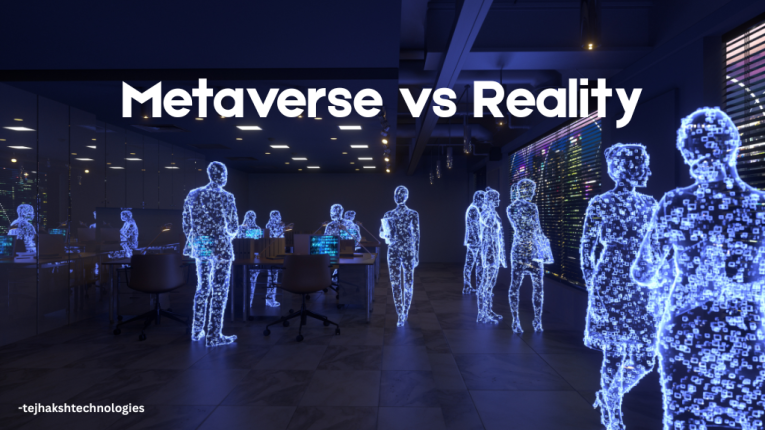
The reality of the Metaverse lies somewhere in the middle. It is not just empty hype, but it is also not yet mature enough to replace the real world or the internet as we know it today. Much like the early stages of smartphones or social media, the Metaverse requires time, technological advancement, and genuine user adoption before it can become truly mainstream and widely impactful.
In the coming years, the Metaverse is expected to evolve through significant technological advancements. We are likely to see more powerful and affordable VR and AR devices, deeper integration with artificial intelligence and blockchain, and the development of more practical, real-world business applications. Virtual education, training, and skill development are also set to grow as immersive learning becomes more widely adopted.
Rather than a single, all-encompassing virtual world, the future of the Metaverse will likely consist of multiple smaller, purpose-driven metaverses, each designed to serve specific industries, communities, or use cases—making the technology more focused, secure, and accessible.
The Metaverse is both a genuine technological advancement and an overhyped concept. It represents a real evolution in how digital experiences are created and shared, with promising applications across multiple industries. However, the technology is still underdeveloped and often over-promoted, which has led to unrealistic expectations.
For businesses and users alike, the smartest approach is to engage with the Metaverse with curiosity, caution, and strategic thinking—exploring its potential without being driven by hype alone.
Leave a Comment