Tejhaksh Technologies is the Website designing & Digital Marketing company based in Neemuch, established in 2020 providing Website design, Website development, Logo design, Domain Registration, Web hosting, Android App Development, eCommerce web development, Search Engine Optimization, Bulk SMS etc. We have good experience in developing different platform websites and we keep our eye on the latest technologies to implement on the website for better conversion and user experience.
In the world of SEO (Search Engine Optimization), HTTP status codes play a crucial role. These three-digit codes are generated whenever a user or a search engine attempts to access a page on your website. These codes indicate whether the page loaded successfully, has been redirected to another page, or is encountering an error.
If you run a website—whether you are a blogger, a developer, or an SEO professional—understanding HTTP status codes is absolutely essential. They directly impact your website’s ranking, indexing, and overall performance on Google.
In this simple guide, we will explore what HTTP status codes are, the various categories they fall into (ranging from 1XX to 5XX), and which specific codes are most critical for SEO purposes.
In simple terms, HTTP status codes are messages (responses) that a server sends you when you attempt to access a page on a website. These codes indicate the outcome of your request—whether the page loaded successfully, was redirected elsewhere, or encountered an error.
Whenever a user or a search engine bot (such as Googlebot) attempts to access a webpage, the server responds with a 3-digit code that reveals the status of that page.
Simple Examples:
200 – The page loaded successfully (everything is OK).
301 – The page has been permanently moved to a different URL.
404 – The page was not found.
500 – There is a problem with the server.
HTTP status codes help search engines understand whether the pages on your website are functioning correctly. If the appropriate codes are returned, your website can be crawled and indexed more efficiently, which ultimately leads to improved rankings.
HTTP status codes are crucial for SEO because they help both search engines and users understand the actual status of your website.
To put it simply:
If your website utilizes the correct HTTP status codes, Google can easily interpret your site, leading to improved SEO performance.
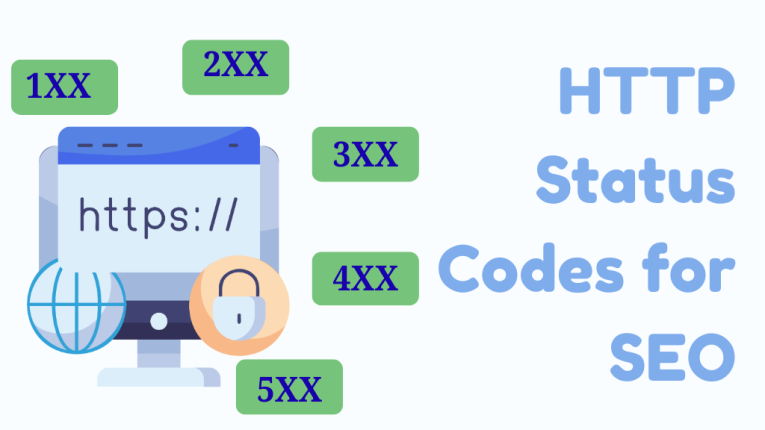
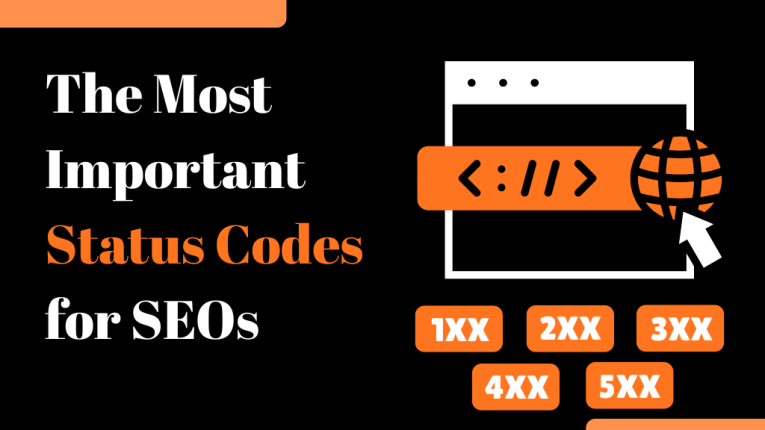
Understanding HTTP status codes is straightforward, as they are divided into five main categories. Each category conveys a distinct message regarding the outcome of your request.
These are the five types of status codes:
1XX – Informational
These indicate that your request has been received and the processing is ongoing.
2XX – Success
This signifies that your page loaded successfully.
3XX – Redirection
In this case, the user is directed to a different page.
4XX – Client Errors
The issue lies on the user’s side—for instance, the page was not found.
The issue lies on the server’s side.
Next, we will explore each category in detail to help you understand their proper application within the context of SEO.
A 1XX status code indicates that your request has reached the server and processing has begun. These codes serve merely as preliminary notifications that the process is underway.
Typically, these codes are not visible to the user and operate exclusively in the background. From an SEO perspective, they do not have any significant impact.
Common 1XX Status Codes:
Impact on SEO:
Simply put, 1XX codes merely signal that “work has started,” but they hold little significance for SEO purposes.
A 2XX status code means the request was completed successfully. This means the server correctly received and understood the request, and loaded the page without any issues.
When your website pages open correctly, you typically receive a 2XX status code. This is considered a very positive signal for SEO.
Important 2XX Status Codes:
Its Importance for SEO:
Simply put, if your website pages are displaying a 200 OK status, it means your site is functioning correctly from an SEO perspective.
A 3XX status code indicates that the page you attempted to access has been moved to a different URL. In such cases, both users and search engines are redirected to the new page.
These codes are utilized when you change a page’s URL or transfer it to a new location.
Common 3XX Status Codes:
Impact on SEO:
Simply put: use a 301 redirect if the page change is permanent, and use a 302 redirect if the change is temporary.
A 4XX status code indicates that the issue lies with the user or the client. In other words, there is a problem with the specific page you attempted to access—such as entering an incorrect URL or requesting a page that simply does not exist.
Important 4XX Status Codes:
Impact on SEO:
Simply put, 4XX errors signal that “there is a mistake within the page or the URL”; therefore, resolving them promptly is crucial for SEO.
A 5XX status code indicates that the issue lies on the server side—meaning your website’s server is not functioning correctly. Consequently, neither users nor search engines are able to access the page.
Common 5XX Status Codes:
Impact on SEO:
Simply put, 5XX errors signal a “server-side problem”; therefore, it is crucial to resolve them as quickly as possible to ensure your website continues to function properly and your SEO remains unaffected.
There are certain HTTP status codes that every SEO professional should pay special attention to. These codes directly impact your website’s ranking, indexing, and user experience.
Let’s understand them in simple terms:
1. 200 OK
2. 301 Redirect
3. 302 Redirect
4. 404 Not Found
5. 500 Internal Server Error
In simple terms, if you keep an eye on these essential status codes, your website’s SEO performance remains robust, and your rankings will improve.
If you want to improve your website’s SEO performance, properly managing HTTP status codes is crucial. Below are some simple yet effective tips:
Additionally, you can easily track and fix your website’s issues by utilizing tools such as Google Search Console.
By adopting these simple practices, you can strengthen your website’s SEO foundation and achieve better rankings.
HTTP status codes are a crucial component of technical SEO. They help search engines understand whether your website is functioning correctly and which pages should be indexed.
If you properly manage 1XX, 2XX, 3XX, 4XX, and 5XX status codes, you can improve your website’s crawling, indexing, and overall SEO performance.
Pay particular attention to critical codes such as 200, 301, 404, and 500. If you identify any issues, resolve them promptly
Leave a Comment